Financial Control Habits Rooted in Hyper-Independence
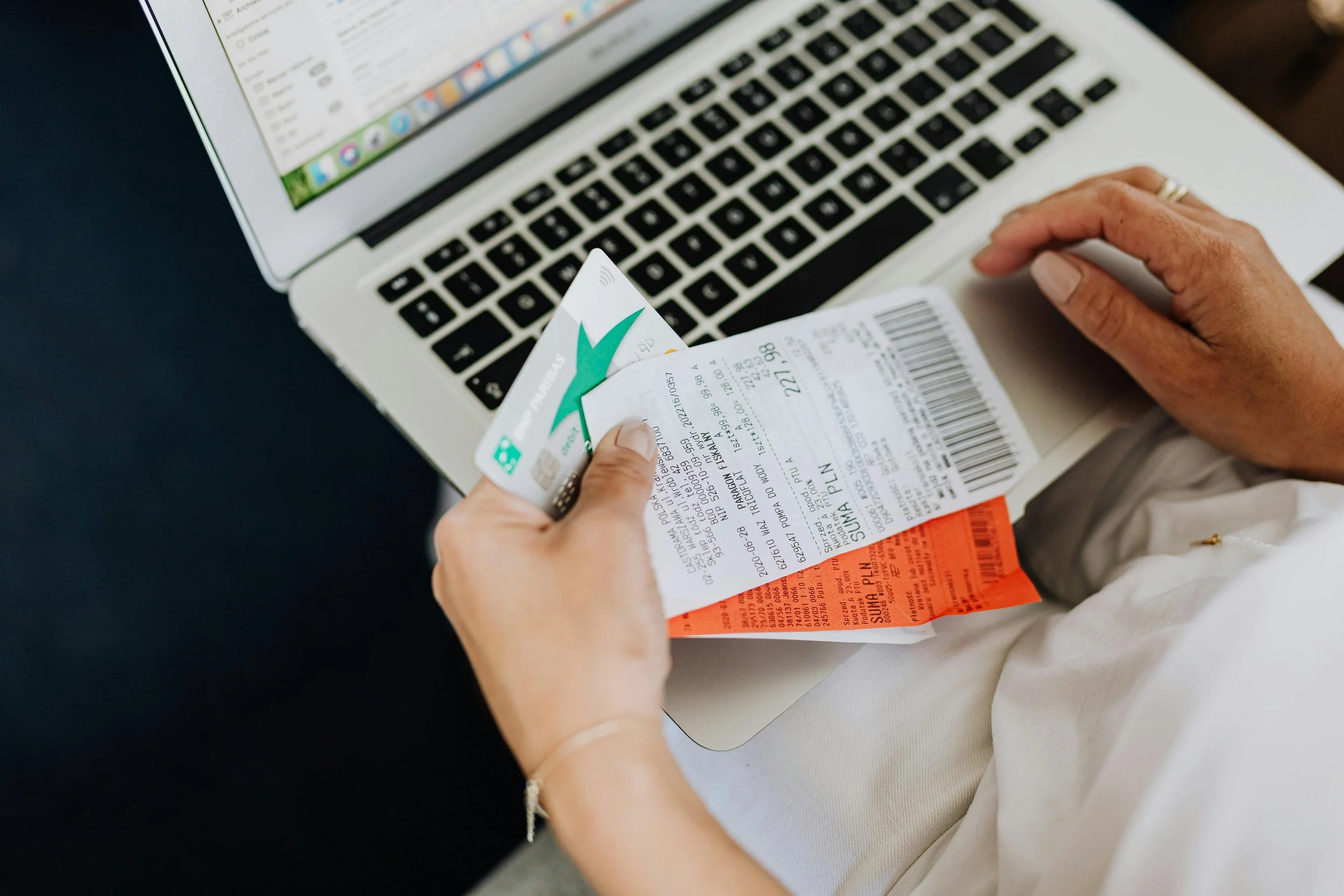
You can learn a lot about someone by watching how they interact with money for ten minutes. Not their income or their debt or whether they track every purchase inside a budgeting app that sends them seventeen push notifications a day. I mean the emotional behavior around money. The panic after spending something “unnecessary.” The obsession with never owing anyone anything. The weird internal guilt spiral after receiving help. The inability to rest because productivity feels financially tied to survival and financial control starts feeling emotionally necessary instead of practical. The way some people charge $75 for work that should realistically cost three times that because asking for more money makes their entire body tense up like they’re about to be publicly executed in the town square.
And hyper-independence has its fingerprints all over that.
Because hyper-independence rarely stays contained to just relationships. It moves into work, burnout, pricing, spending habits, saving habits, and the need to feel emotionally safe through control. A lot of people think financial control automatically means someone is “good with money,” and sometimes that’s true, but sometimes it means they’re terrified. There’s a difference between intentional financial responsibility and feeling emotionally unsafe anytime money leaves your account. One comes from stability. The other comes from survival mode wearing a blazer and pretending everything is fine.
Financial Control Often Looks Responsible
Hyper-independent people are often the ones everyone praises because they look responsible from the outside. They’re prepared, capable, organized, productive, and usually carrying enough internal pressure to qualify for their own weather system. They’ve got emergency savings, backup plans, backup backup plans, and an unsettling ability to handle stress while actively convincing themselves they’re “just tired.” These are the people who say things like, “I just prefer to handle things myself,” while quietly feeling panic at the thought of relying on anyone financially, emotionally, or practically. The control itself starts feeling regulating, which means even minor disruptions can create an outsized emotional response because the nervous system interprets unpredictability as danger.
An unexpected expense can suddenly feel bigger than the expense itself because it pokes directly at safety. Having to ask for help financially can create shame so intense that some people would genuinely rather sell a kidney on Facebook Marketplace than admit they need support. Even healthy dependence inside relationships can feel uncomfortable because hyper-independence trains people to associate self-sufficiency with emotional protection. If money becomes tied to freedom, safety, stability, and control, then financial vulnerability starts feeling emotionally loaded in ways other people may not fully understand. That’s why some people obsessively over-manage their finances while simultaneously feeling exhausted by how much mental energy it takes to maintain that level of control.
Some hyper-independent money behaviors look “responsible” on the surface while quietly being driven by fear, anxiety, or emotional self-protection. Things like:
Obsessively checking bank accounts multiple times a day
Feeling guilty after buying something enjoyable
Struggling to let other people pay for anything
Overworking instead of increasing prices
Saving money while never feeling safe enough to use it
Panic-planning for situations that haven’t happened
Treating rest like financial irresponsibility
Feeling physically uncomfortable receiving help
Undercharging while massively overdelivering
Believing needing support equals weakness
Undercharging and the Need to Over-Prove
This especially shows up around pricing and undercharging, particularly for therapists, coaches, creatives, freelancers, and business owners whose work is deeply connected to identity. Undercharging is rarely just a business issue. Sometimes it’s fear of rejection. Sometimes it’s guilt around receiving. Sometimes people feel like they need to over-prove their value before they’ve somehow “earned” the right to charge appropriately. And sometimes the nervous system has learned that being easy to need makes people more lovable, so they keep themselves financially accessible to the point of resentment and burnout.
A lot of hyper-independent people intellectually understand their worth while emotionally struggling to receive in proportion to it. So instead of charging more, they overdeliver, overextend and overexplain. They work longer hours, provide extra emotional labor, answer emails at unreasonable times, and convince themselves they’re “just trying to help,” while quietly becoming more exhausted and resentful by the week. Get the pattern yet? Meanwhile, their pricing still reflects the version of them from five years ago because increasing rates feels emotionally threatening, even when their experience, skill level, and demand have drastically changed. Some people are out here charging beginner prices with advanced-level expertise because their nervous system still associates taking up space with risk.
A lot of people don’t realize how many business decisions are actually nervous system decisions wearing a professional outfit. Pricing too low can feel safer because visibility feels safer. Being endlessly accommodating can feel safer because disappointing people feels threatening. Keeping rates accessible to everyone can feel safer because being fully compensated may trigger guilt, fear, judgment, or the uncomfortable reality that your work actually has significant value now. Which is deeply inconvenient when your nervous system still thinks you’re supposed to stay humble, useful, and easy to consume at all times.
Hyper-Independence and Productivity Addiction
Hustle culture makes this worse because overworking gets rewarded constantly. Hyper-independent people are especially vulnerable to productivity becoming fused with self-worth because competence often became part of their emotional survival strategy early in life. If your brain learned that safety comes from being useful, capable, low-maintenance, and self-sufficient, then slowing down can feel deeply uncomfortable even when your body is screaming for rest. So instead of resting, people optimize harder. They reorganize their schedule, create another system, open another spreadsheet, start another project, or decide the answer to emotional exhaustion is somehow becoming even more productive. Which would honestly be hilarious if it wasn’t quietly destroying people’s nervous systems in real time.
A lot of hyper-independent people don’t even realize how much of their identity is built around being the reliable one until they physically can’t maintain it anymore. Burnout feels especially threatening because exhaustion interferes with competence, and competence is often the thing their nervous system trusts most. Rest can create anxiety instead of relief because stillness leaves room for vulnerability, emotions, uncertainty, and needs people have spent years trying to outrun through productivity. So they stay busy. Constantly. Even their hobbies start feeling weirdly performance-based, which is how you end up turning a simple morning walk into a personal development challenge with metrics.
For a lot of hyper-independent people, productivity starts functioning like emotional reassurance. If they’re accomplishing something, earning something, fixing something, or planning something, they feel temporarily safer. The problem is that eventually the nervous system adapts to pressure and starts treating stress like a baseline setting. So even calm starts feeling uncomfortable. Free time feels suspicious. Rest feels unearned. And now, someone is answering emails from bed at 11:47 p.m. while whispering, “I’m fine,” to absolutely nobody.
Spending Money Can Feel Emotionally Unsafe
Spending money can feel emotionally complicated for hyper-independent people in ways that don’t always make sense logically. Some people experience spending as a direct threat to safety, even when they can comfortably afford the purchase. Their brain immediately starts calculating worst-case scenarios, future emergencies, financial collapse, and every possible thing that could go wrong after buying something as simple as a damn couch. Then comes the guilt. Then comes the overthinking. Then comes the internal lecture about how they “should’ve been more responsible,” even though they literally just replaced something held together by hope and one surviving screw.
This creates a really exhausting cycle because deprivation eventually backfires on most people. Some hyper-independent people become so restrictive with themselves financially that they swing between over-controlling and impulsive spending because their nervous system gets tired of living in constant scarcity mode. And scarcity mindset doesn’t always come from actual scarcity. Sometimes it comes from emotional unpredictability. When someone grows up feeling like support could disappear at any moment, financial control starts feeling emotionally protective long after the original environment is gone. The nervous system remembers instability even when life looks completely different now.
A lot of people struggling with financial control don’t even realize how emotionally loaded spending has become for them. They think they just “need to be better with money,” while treating every purchase like a moral decision tied to self-worth, safety, or future survival. So even enjoyable spending can feel uncomfortable because their brain immediately shifts into consequence-scanning mode. Which means they rarely get to experience money as something supportive, enjoyable, freeing, or life-giving. It becomes something to manage, protect, monitor, and emotionally brace around instead.

Receiving Financial Support Feels Vulnerable
That’s also why receiving financial support from other people can feel very uncomfortable for hyper-independent people. Gifts can create anxiety. Generosity can feel loaded. Someone paying for dinner can accidentally trigger a full internal crisis because the brain immediately starts calculating reciprocity, obligation, vulnerability, and emotional debt. A lot of hyper-independent people don’t just want independence. They want insulation. They want to make sure nobody can use support against them later, which means receiving can feel emotionally risky even inside healthy relationships.
This can create complicated relationship dynamics around money because control over finances becomes tied to emotional autonomy. Some people feel deeply unsafe sharing finances. Some panic at the thought of depending on a partner temporarily, even during completely normal life transitions. Some overwork to maintain independence at all costs because relying on someone else feels emotionally unbearable. The issue usually isn’t financial literacy. The issue is flexibility. When support feels emotionally threatening, people stay over-functioning for so long that they forget relationships are actually supposed to involve mutual care instead of one person silently carrying everything alone while insisting they’re “fine.”
You also see this show up in smaller moments that people brush off as personality quirks. Fighting over who pays. Feeling guilty when someone buys them something thoughtful. Immediately trying to “make up for it” anytime they receive support. Struggling to accept help without mentally keeping score afterward. Hyper-independent people are often incredibly generous with others while being uncomfortable when generosity flows back toward them. Receiving requires vulnerability, and vulnerability can feel wildly unsafe when your nervous system has spent years equating dependence with danger.
Scarcity Mindset and Hyper-Independence
Scarcity mindset is deeply connected to hyper-independence because the nervous system gets conditioned to prepare for loss before it even happens. Even when life becomes more stable, the brain keeps scanning for what could go wrong. More savings. More work. More backup plans. More control. More proving. The problem is that survival mode doesn’t know when to sit down and relax after the danger has passed. It just keeps moving the goalpost while convincing people they’ll finally feel safe after the next milestone.
That’s why some people increase their income while their anxiety barely changes. The issue was never purely numerical. Financial control became emotionally fused with safety, identity, and self-protection, so external success doesn’t automatically create internal security. Hyper-independent people are incredibly good at surviving difficult situations, adapting under pressure, and functioning through stress levels that would flatten other people. The downside is they often build entire lives around never needing softness, support, rest, or uncertainty, and eventually that gets emotionally expensive, physically expensive, relationally expensive, and financially expensive too.
A lot of hyper-independent people stop asking themselves whether they actually feel safe and start asking whether they’ve prepared enough. Those are two completely different experiences. One is emotional security. The other is chronic hypervigilance with really good organizational skills. And unfortunately, the world tends to praise hypervigilance when it looks productive, financially responsible, ambitious, or disciplined enough.
Learning to Loosen the Grip on Financial Control
This conversation gets weird online sometimes because people hear “hyper-independence” and assume the solution is becoming completely dependent on everyone around them while emotionally free-falling into chaos. Absolutely fricken not. Nobody’s suggesting financial irresponsibility, zero boundaries, or handing your debit card information to a man named Tyler who owns a podcast microphone and describes himself as a “high-performance mindset disruptor.” Please use discernment. We’re begging.
The goal is flexibility. More ability to receive support without shame. More capacity to rest without panic. More awareness around how fear may be shaping financial behaviors without you realizing it. Because hyper-independence has a way of disguising itself as empowerment while quietly keeping people emotionally isolated, chronically overworked, and exhausted beyond belief. A lot of people don’t even realize how much tension they carry around money until they start loosening their grip on control and realizing their nervous system has been operating like it’s preparing for an emergency twenty-four hours a day.
That doesn’t mean becoming reckless or abandoning responsibility. It means recognizing that financial control can quietly become emotional armor instead of a practical tool. Money was never supposed to carry the full weight of your safety, identity, worth, future, relationships, and nervous system regulation all by itself. That’s too much pressure for one thing to hold. And honestly, it’s too much pressure for you to hold alone too.
If this blog made you feel a little too seen in the best possible way, you’ll probably love my Substack too. Come hang out with me on Substack for deeper conversations, unfiltered thoughts, and the kind of honesty that usually makes people pause mid-read and whisper, “Okay rude… but fair.”