

Why an Identity Crisis Can Happen After Regulation
A lot of people expect healing to feel peaceful immediately. What they don’t expect is the weird identity crisis that can show up after regulation, when survival mode quiets down and you realize your personality, relationships, routines, and sense of self were built around staying emotionally protected.

The Social Rewards Behind Hyper-Independent Women
Sometimes the hardest part of changing isn’t fear. It’s realizing people liked the version of you that never needed anything. This blog explores the social rewards behind hyper-independence, why overfunctioning gets praised, and why slowing down can feel strangely uncomfortable even when you’re exhausted.

What Fandom Reveals About Attachment and Longing
Fandom is rarely just about entertainment. This blog explores attachment, emotional longing, fantasy, parasocial connection, and why certain fictional relationships, characters, and stories feel almost painfully personal to people trying to find safety, connection, identity, or emotional experiences they’ve struggled to access in real life.
Being a Therapist in an Emotionally Immature Culture
Being emotionally skilled online as a therapist can feel exhausting in a culture that rewards outrage, emotional avoidance, and performance over nuance. This blog explores therapist identity, burnout, emotional labor, social media visibility, and the strange pressure of trying to build a platform while constantly navigating other people’s projections.

Anger, Sadness, and the Oldest Daughter Role
A lot of “angry” women were never allowed to fall apart. This blog explores the sadness underneath female anger, oldest daughter conditioning, high-functioning trauma, and the exhausting pressure of becoming emotionally responsible for everyone long before adulthood ever started.
Why Nurturing Doesn’t Always Mean Motherhood
A lot of nurturing women feel trapped between who they naturally are and what society expects them to become. This blog explores the emotional double bind of being caring, supportive, emotionally attuned, and still not wanting motherhood, without turning that choice into something cold, selfish, or broken.
Financial Control Habits Rooted in Hyper-Independence
Hyper-independence doesn’t just affect relationships. It shows up in pricing, spending, overworking, and financial control habits too. This blog explores why some people cling tightly to money, undercharge, overwork, and struggle to receive support without feeling emotionally unsafe.
Leadership Patterns in Entrepreneurship and Attachment
Your leadership style isn’t just strategy, it’s attachment in action. The way you hire, avoid, overwork, or control? There’s a pattern underneath it. This blog breaks down how attachment shows up in business and why it matters more than your marketing plan.
Legacy Without Parenthood: Rethinking the Future
Legacy is often framed as something created through children, but meaning and impact can take many forms. For people choosing a child-free life, legacy becomes something more intentional, built through relationships, community, mentorship, and the lives we shape along the way.
Commitment Without Kids: Building Long-Term Partnership
Commitment without kids forces couples to define partnership differently. Without traditional milestones guiding the relationship, couples build meaning, ritual, and stability through choice, intention, and shared values rather than obligation.
Grief After Ending a Relationship That Almost Worked
Ending a relationship that still had love inside it creates a different kind of grief. When the connection is real but the future is misaligned, the breakup carries the quiet heartbreak of a life that almost happened.
Hyper-Independent Women in the Child-Free Dating Pool
Hyper-independent women often thrive in child-free dating, but sometimes that independence hides a deeper pattern. When you are used to handling everything alone, compatibility can quietly get confused with emotional distance and self-sufficiency.
Dating the Undecided: When the Future Stays Blurry
Dating someone who is “open to kids” can feel harmless at first. Then the anxiety creeps in. This piece explores why ambiguity in dating creates pressure, emotional labor, and quiet self-abandonment even when everything else in the relationship works.
Disclosure in Dating When You Don’t Want Kids
Disclosure is not about perfect timing. It’s about self-trust. When you don’t want kids, saying it out loud in dating activates fear, attachment wounds, and the urge to shrink. This is about telling the truth without negotiating yourself.
I Don’t Want Kids: Dating With Clarity and confidence
Saying “I don’t want kids” isn’t rebellion. It’s clarity. And clarity in dating can feel lonely, destabilizing, and wildly powerful all at once. This is for the people who love kids, nurture kids, protect kid and still know parenthood isn’t their path.

Low Maintenance Living: The Nervous System Cost No One Talks About
Being “low maintenance” isn’t a flex, it’s often a nervous system survival strategy. This blog unpacks how staying easy, flexible, and unbothered quietly exhausts your body, dulls connection, and teaches people to offer you less while you smile through it.

Hyper-Independent Trauma: When Strength Turns Isolating
Hyper-independent trauma doesn’t show up as chaos, it shows up as competence. This blog dives into the quiet moment strength stops feeling empowering and starts feeling isolating, exhausting, and lonely as hell. If you’re always the strong one, this one’s for you.
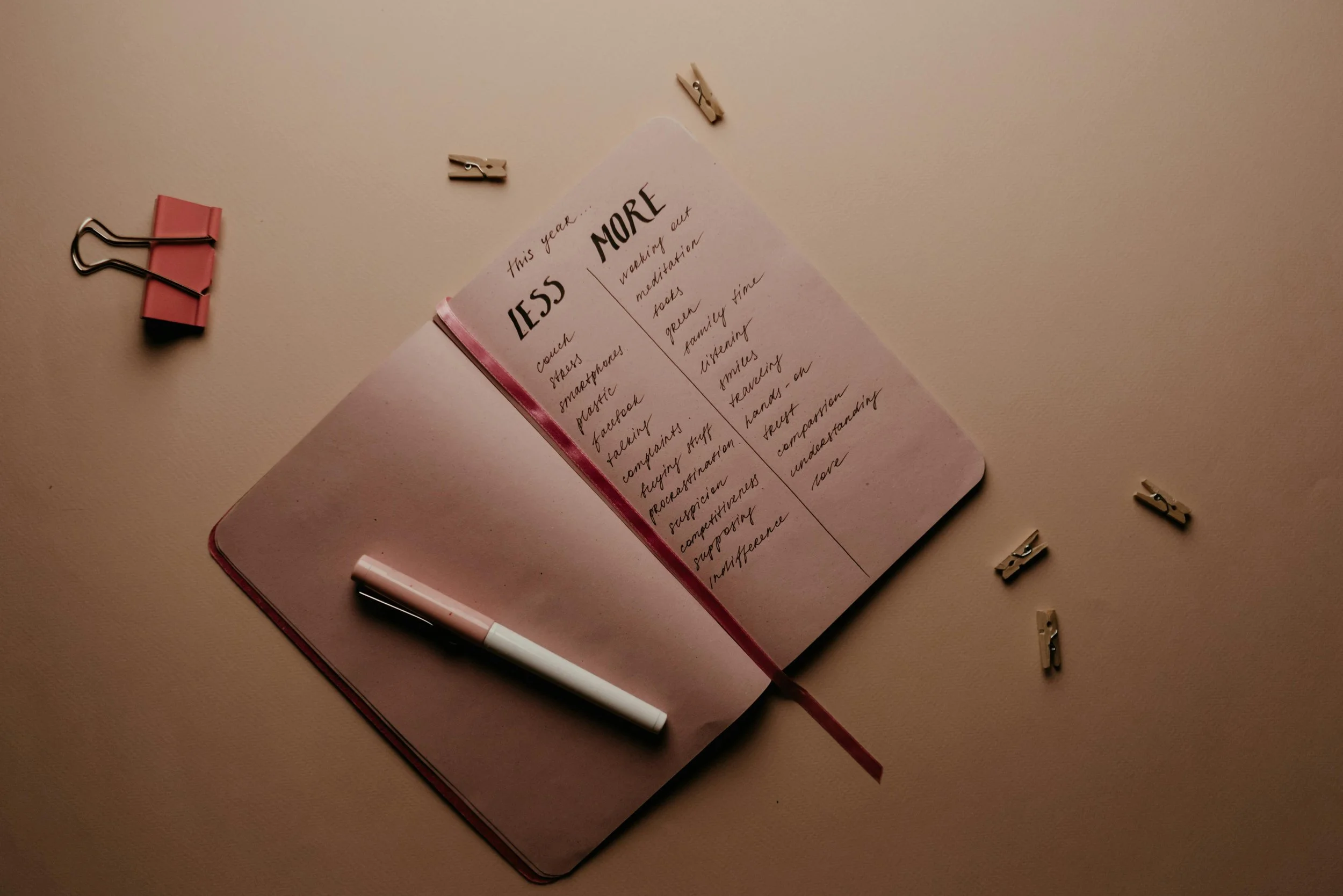
Over-Functioners: Why Child-Free People Carry So Much
Child-free by choice doesn’t mean responsibility-free. Many child-free adults become over-functioners in families and workplaces, quietly carrying more than their share. This blog breaks down why that happens, how it starts, and why it’s exhausting as hell.

Generational Trauma: When “I’ll Do It Myself” Is Inherited
Generational trauma doesn’t always look dramatic. Sometimes it looks like never asking for help, doing everything yourself, and calling it strength. This blog unpacks how hyper-independence gets passed down and what it actually takes to heal it.

Journaling and Meditation: How These Practices Change You
Journaling and mediation are two of the most recommended mental health tools for a reason. In this guide, we explore how they affect the brain, why they work, and how to start without pressure, perfection, or overthinking.