Dating with Anxious Attachment style: Stop the Spiral

Dating with an anxious attachment style can feel like emotional cardio. One minute, you’re floating (high on chemistry, butterflies, and hope) and the next, you’re spiraling because they didn’t text back in 47 minutes (and yes, you counted). You crave connection so deeply that silence feels like rejection, and every tiny shift in tone sends your mind spinning into “what did I do wrong?” territory.
The highs are intoxicating. The lows? Utterly draining. And if you’ve ever found yourself replaying a date in your head like it’s a crime scene investigation, welcome. You’re not broken. You’re just someone who learned early that love isn’t always consistent.
Let’s talk about why this happens, how it shows up in dating, and what you can do to stop chasing people who make your nervous system work overtime.
What Anxious Attachment Looks Like in Dating
Dating can be fun for some people. For folks with an anxious attachment, it often feels like trying to meditate on a rollercoaster. You want to relax and trust the ride, but your brain is screaming, “What if it drops again?”
Here’s how it might show up:
Overanalyzing texts or tone shifts. (“They used a period instead of an exclamation mark… are they mad?”)
Moving too quickly. You start emotionally investing early, maybe even planning the future before date three, just to feel secure.
Feeling panic when your partner takes space. A few hours without a reply can feel like a breakup.
Ignoring your own needs. You prioritize keeping the peace over speaking up, because conflict feels terrifying.
Sound familiar? You’re not alone. These patterns are common, especially among people who grew up with love that felt inconsistent. Sometimes nurturing, sometimes absent.
Why It Happens: The Root of Anxious Attachment style
Let’s take it back for a second. Anxious attachment usually develops in early relationships, often with caregivers who were loving but unpredictable. One day they were emotionally present, the next they were distracted, distant, or unavailable.
So your nervous system learned: If I just stay close enough, if I try hard enough, maybe they won’t leave.
That coping pattern (clinging, hyper-vigilance, overthinking) becomes your default in adulthood. You’re not “needy.” You’re responding to a nervous system that’s wired for inconsistency. You’re just trying to protect yourself from the heartbreak of being left behind again.
When someone you care about pulls away, even for a second, your body goes into alarm mode. It’s not about logic, it’s biology. Your attachment system is saying, “Danger! Connection is at risk!”
But here’s the good news: the same way it was learned, it can be unlearned.
The Emotional Rollercoaster: Inside an Anxiously Attached Mind
You meet someone new. The chemistry is wild, the conversation flows, and your brain lights up like a slot machine. Jackpot!
For a few days, you’re walking on air… imagining the potential, the shared vacations, maybe even their last name next to yours. But then they take a little longer to reply. Or seem slightly quieter over text.
Cue the spiral.
Your brain goes:
“They’re losing interest.”
“I must’ve said something wrong.”
“They found someone better.”
You reread every text thread, ask three friends for their interpretation, and consider sending a “hey just checking in” text to “clear the air.” (Translation: soothe the anxiety.)
But the more reassurance you chase, the more disconnected you often feel. It’s exhausting, both emotionally and physically.
And yet, despite the pain, you keep getting pulled into the same dynamic.
Why We Chase People Who Trigger Us
There’s this tricky thing about attraction when you have an anxious attachment style: chaos can feel like chemistry.
You know that feeling when someone’s hot-and-cold, and it weirdly makes you more drawn to them? That’s not love, that’s your nervous system mistaking unpredictability for excitement.
Consistent, calm partners might feel boring at first because your body doesn’t recognize stability as “normal.” It’s used to the high-highs and low-lows.
But here’s the reframe: consistency isn’t boring, it’s peace. And peace feels weird only because you’ve lived in survival mode for so long.
Breaking the Cycle: How to Date Differently
The goal isn’t to “fix” your anxious attachment. It’s to work with it. To understand your triggers, soothe your system, and start choosing connection over chaos.
Let’s walk through some real, doable shifts that can change how you date (without changing who you are).
1. Pause the Spiral Before It Starts
When you feel the urge to text five times in a row or replay a conversation in your head, take a breath. Seriously. Pause.
Ask yourself:
“What am I afraid this silence means?”
Usually, the fear isn’t really about the text. It’s about what the silence represents. You might fear rejection, abandonment, or loss of control. Naming that fear takes away some of its power.
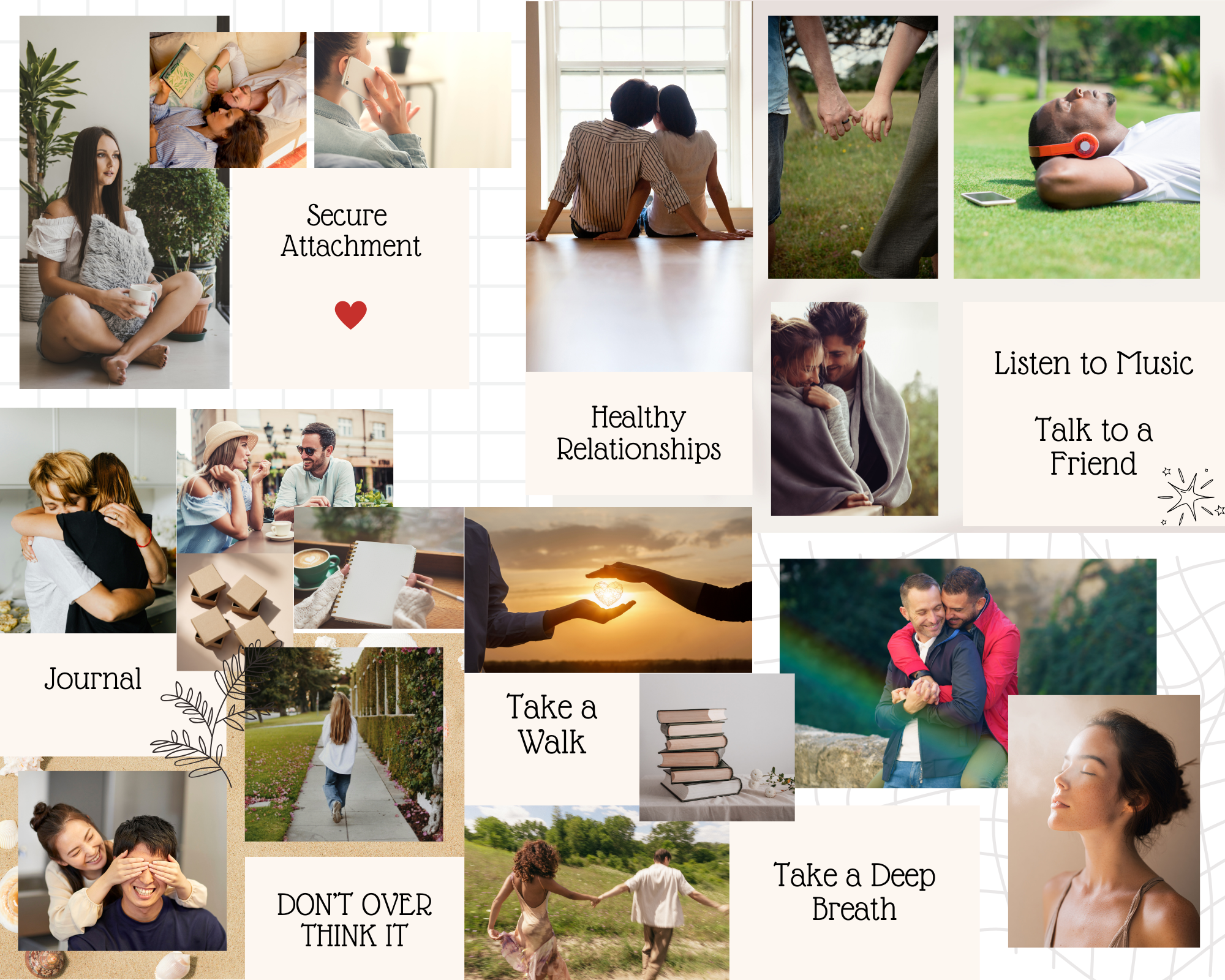
Try journaling it out, calling a friend, or using grounding techniques (deep breathing, going for a walk, touching something cold) to calm your body before reacting.
2. Date People Who Are Emotionally Available
Easier said than done, right? But this one matters most.
When you’re anxiously attached, you might feel drawn to emotionally avoidant partners. The ones who are charming but inconsistent, present one moment and gone the next.
They trigger the same push-pull dynamic you experienced in childhood, and your nervous system goes, “Ah yes, home.”(Spoiler: It’s not home. It’s emotional whiplash.)
Instead, start noticing how people make you feel instead of how much you want to impress them.
Do they communicate clearly? Follow through? Make you feel safe instead of guessing? That’s the good stuff. That’s secure attachment energy, the real goal.
3. Anchor in Yourself
When anxiety spikes, it’s easy to outsource your calm to someone else, the “if they text back, I’ll feel better” loop. But your peace can’t depend on someone else’s behavior.
Try creating rituals that bring you back to yourself:
Journaling before texting.
Calling a trusted friend instead of spiraling alone.
Doing something soothing like stretching, walking, or music before reaching out for reassurance.
The more you practice self-soothing, the less your sense of security depends on other people’s availability.
4. Communicate, Don’t Perform
Anxiously attached people often use protest behaviors, saying things like “fine, whatever” or pulling away emotionally to get their partner’s attention. It’s understandable, you’re trying to protect yourself from rejection.
But honest communication works better than subtle tests.
Instead of:
“I guess you’re too busy for me.”
Try:
“I feel anxious when I don’t hear back. Can you let me know when you’ll be free?”
Healthy partners will appreciate the directness. Unhealthy ones? They’ll be revealed pretty quickly. Either way, you win.
5. Learn to Tolerate Space
This one takes practice, but it’s game-changing.
When someone you care about needs space or just isn’t instantly available, your anxious brain might scream, “They’re pulling away!”
But here’s a mindset shift: space isn’t rejection; it’s regulation.
You and your partner need room to breathe, think, and live your individual lives. Try viewing space as a pause, not an ending. Use it as a cue to pour energy back into yourself, your friendships, hobbies, and joy.
The more full your life feels outside the relationship, the less any single person defines your emotional world.
Healing Your Attachment, Not Erasing It
Let’s clear this up, having an anxious attachment doesn’t mean you’re “too much.” It means your nervous system just needs a little extra reassurance. You love deeply. You connect fully. You feel intensely. That’s not a flaw, that’s sensitivity, and it can be a gift when it’s balanced.
Healing isn’t about becoming someone who “doesn’t care.” It’s about becoming someone who cares without losing yourself.
When you start building secure patterns through therapy, self-awareness, and consistent relationships, your attachment style can shift. You begin to trust that love doesn’t disappear when you stop chasing it.
Therapy, Attachment, and Real Change
Since I’m a therapist, I have to say it… therapy can be a game changer here. (And not just because it’s my job!)
Working with a therapist who understands attachment can help you:
Identify the root of your anxious attachment style.
Learn emotional regulation skills for when anxiety hits.
Reframe self-blame into self-understanding.
Practice secure behaviors with real feedback.
Therapy gives you a space to rewrite your story. To understand why you love the way you do and to learn how to love without the constant panic that you’ll lose it.
And if you’re already in therapy, this is your reminder: you’re not starting over. You’re starting to love differently.
Real-Life Example (Because Theory Is Boring)
Let’s say you’re dating someone new. Things are going great: lots of laughs, chemistry, late-night talks. Then one day, they say, “Hey, I’m going to be busy this weekend, but let’s catch up next week.”
Your stomach drops. You start wondering: Did I say something weird? Are they seeing someone else?
You draft a text to “check in,” delete it, rewrite it. You replay the last conversation looking for clues.
Now pause.
What if instead, you took a breath and said to yourself, “My anxiety is trying to protect me. It’s not proof something’s wrong.”
You could journal the thought, go for a walk, and wait a day before responding. Maybe they text Monday, just like they said they would. And you realize the panic wasn’t truth. It was just your nervous system remembering an old story.
That’s progress.
Closing Thought
Dating with an anxious attachment style doesn’t mean you’re doomed to repeat the same painful patterns forever. It just means your heart learned early to fight for connection and now you’re learning that love doesn’t have to be a fight.
You don’t need to chase, perform, or prove your worth. The right person won’t confuse consistency with clinginess. They’ll meet your need for reassurance with stability, not shame.
The goal isn’t to stop needing. It’s to find someone safe enough to need.
So next time you feel that familiar urge to spiral or chase, pause, breathe, and remind yourself: You are allowed to take up space in love without losing yourself in it.
Ready to break old patterns and build healthier connections? Schedule a consultation to get personalized support for understanding your attachment style and creating secure, thriving relationships.