Why Nurturing Doesn’t Always Mean Motherhood
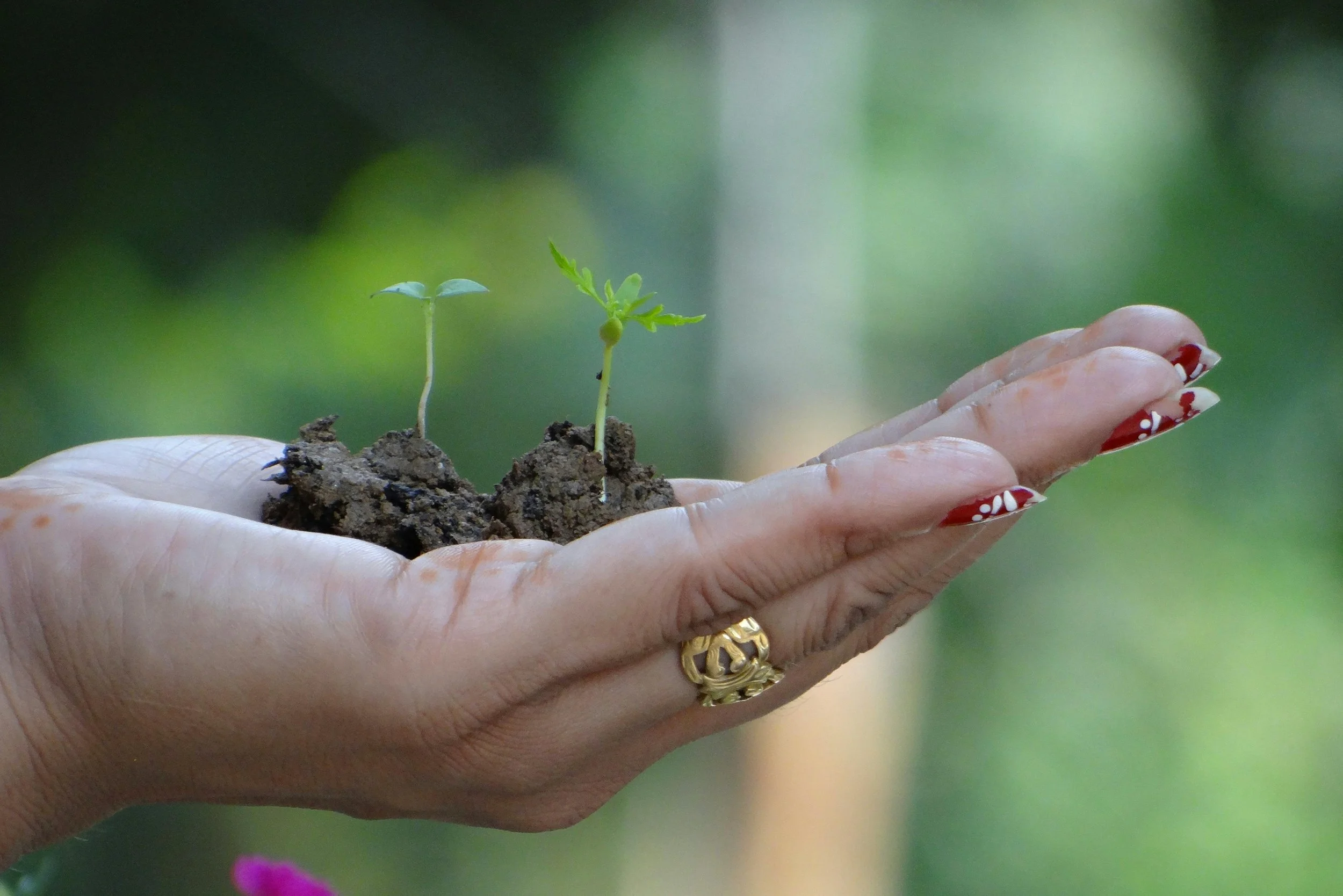
Some women spend years being told they’d make an “amazing mom” when what they actually needed was for somebody to ask whether they even wanted that life in the first place.
And honestly, that disconnect can make people feel like they’re losing their damn mind.
Because a lot of women grow up absorbing this weird unspoken equation that nurturing automatically equals motherhood, as if emotional warmth is only fully legitimate when it’s eventually directed toward children. You’re caring? Maternal. You’re emotionally attuned? Maternal. You’re patient, thoughtful, protective, supportive, emotionally intelligent, good with kids, or capable of making people feel safe? Everybody starts looking at you like you’re one Pinterest board away from baking homemade muffins while folding tiny dinosaur pajamas. Meanwhile you’re sitting there thinking, “Okay but I actually just like taking care of people sometimes. Why did this suddenly turn into a full reproductive prophecy?”
That pressure gets especially confusing for women who genuinely are nurturing by nature. Not performatively nurturing. Not socially conditioned into fake softness while quietly dissociating through everyone else’s needs. I mean women who actually enjoy caring for people, creating comfort, offering emotional support, remembering the small things, checking in, helping friends through hard seasons, and building meaningful relationships. Women who hold a lot emotionally and do it well. Women who can sit beside grief without trying to turn it into a motivational quote from a beige Instagram infographic.
And because they’re nurturing, people assume motherhood is automatically the “next step,” which creates a really strange emotional double bind. If you don’t want children, suddenly your identity stops making sense to other people. They start treating your nurturing qualities like unfinished business instead of complete parts of your humanity all on their own. The same traits people praise suddenly become evidence that you’re “confused,” “afraid,” “not ready yet,” or eventually going to “change your mind.” Which is honestly wild when you think about it because nobody looks at a compassionate man who doesn’t want kids and starts emotionally interrogating him like he’s withholding a village from society.
Why Nurturing Gets Tied to Motherhood
A lot of this starts early. Girls are rewarded for caregiving long before they fully understand what caregiving even means. They’re praised for being helpful, emotionally aware, accommodating, gentle, responsible, and relational. Even as adults, nurturing women are often treated like emotional infrastructure for everyone around them. The friend who remembers birthdays. The person everyone calls during a crisis. The coworker smoothing tension inside group dynamics while pretending they’re “just good with people.” The daughter who becomes the emotional support beam holding entire family systems together with one eye twitch and an iced coffee.
So eventually nurturing stops feeling like a personality trait and starts feeling like an obligation people quietly expect access to.
And once motherhood enters the conversation, society tends to flatten nurturing into one singular role. And every caring instinct gets filtered through the assumption that children should be the final destination for all that emotional capacity. Which creates this incredibly frustrating experience where women can fully understand themselves while still feeling constantly misunderstood by everyone around them. Because wanting a meaningful life centered around relationships, care, connection, creativity, community, partnership, mentorship, or emotional depth does not automatically equal wanting motherhood.
Those are not interchangeable desires.
Some women genuinely do want children. Some don’t. Some feel uncertain. Some grieve the fact that they don’t want motherhood because they know they would technically be “good” at it. And honestly, that grief deserves more conversation because people act like certainty is always clean and uncomplicated when human beings are rarely that simple emotionally.
You can recognize your capacity for nurturing without wanting your entire life reorganized around parenting.
The Assumption That Nurturing Women “Should” Want Kids
The cultural script around women and motherhood still runs so deep that people often struggle to separate femininity from caregiving roles entirely. A nurturing woman who doesn’t want children gets treated like she’s withholding something people feel entitled to expect from her. There’s an underlying assumption that emotional warmth naturally belongs in service of motherhood eventually, which means women who choose differently often get viewed as incomplete, selfish, emotionally damaged, or secretly afraid of commitment.
Which is fricken exhausting.
Especially because a lot of nurturing women already spend huge portions of their lives caring for others emotionally. They care for partners. Friends. Families. Clients. Communities. Teams. Some are helping raise siblings. Some are supporting aging parents. Some are holding emotionally demanding careers where they spend entire days attuned to other people’s needs. And people still look at them and go, “But don’t you want kids?” as if nurturing only counts when it includes motherhood specifically.
Okay but can we pause there for a second because that logic gets ridiculous fast.
Women are allowed to experience care, tenderness, emotional intelligence, protectiveness, and connection without turning themselves into permanent caretakers twenty-four hours a day for the next two decades. Those qualities belong to women whether children are involved or not. They are not rental properties temporarily occupying your personality until motherhood arrives to claim ownership.
Some Women Don’t Want Motherhood Because They Understand the Weight of It
This conversation gets flattened online sometimes into this binary where women who don’t want kids are either portrayed as selfish monsters who hate children or glamorous freedom-loving women dramatically sipping wine in Italy while sleeping peacefully until noon every day. Real life is usually much more emotionally layered than that.
A lot of nurturing women don’t want motherhood precisely because they understand the weight of caregiving so clearly.
They understand the emotional labor.
The mental load.
The loss of solitude.
The invisible responsibility.
The constant relational attunement.
The fact that mothers are expected to anticipate everyone’s needs while often disappearing underneath them in the process.
And some women look at that reality honestly and think, “I don’t want my entire existence consumed by that role.” Which is a completely valid realization, even if it makes other people uncomfortable.
For some women, choosing not to have children is actually one of the clearest expressions of self-awareness they’ve ever had. Not because they’d be incapable mothers. Because they know themselves well enough to recognize what kind of life they genuinely want, what they need emotionally, what capacity they realistically have, and where resentment could quietly grow if they ignored themselves long enough trying to fulfill an expectation that never fully belonged to them in the first place.
The Fear of Being Seen as Cold or Selfish
One of the hardest parts for nurturing women who don’t want children is how quickly people start trying to rewrite their identity for them once motherhood is off the table. Suddenly their warmth gets questioned. Their femininity gets questioned. Their softness gets questioned. People start searching for evidence that maybe they’re secretly hardened, commitment-avoidant, career-obsessed, emotionally unavailable, immature, or “too independent.”
Meanwhile half these women are literally the emotional support system for everyone around them.
That’s the irony.
A lot of nurturing women without children are still pouring care into relationships constantly. They mentor people. They support friends through breakups, illnesses, losses, divorces, anxiety spirals, identity crises, career changes, and all the random emotional chaos adulthood throws at people on a Tuesday afternoon when nobody has enough serotonin left to cope properly. They create safe spaces for others emotionally while quietly carrying the pressure of constantly having their own choices scrutinized in return.
And honestly? People project a lot onto women who reject expected roles.
Some people feel threatened by women who make intentional choices outside traditional scripts because it forces them to confront the possibility that fulfillment isn’t actually one-size-fits-all. That discomfort has nothing to do with whether your life is meaningful. It has everything to do with how attached society still is to defining women through service, caregiving, and sacrifice.

Nurturing Exists Outside of Motherhood
Nurturing is not exclusive to parenting.
I genuinely need society to calm down about this.
People nurture friendships, communities, animals, art, businesses, relationships, ideas, healing, creativity, activism, students, patients, families, gardens, teams, and entire social spaces all the time. Care exists everywhere. Human connection exists everywhere. Emotional labor exists everywhere. The idea that nurturing only becomes legitimate through motherhood completely erases the enormous ways women contribute to the world outside parenting roles.
And honestly, some nurturing women build incredibly rich, relationally fulfilling lives precisely because they aren’t parents. They have energy for friendships. Partnership. Community involvement. Mentorship. Creativity. Travel. Rest. Purposeful work. Emotional presence. Their nurturing qualities don’t disappear. They simply move through different channels.
That’s what makes this whole conversation so frustrating sometimes. Women are constantly told to know themselves, honor themselves, and make intentional choices until the moment those choices disrupt expectations around motherhood. Then suddenly everybody becomes weirdly committed to convincing them they don’t actually understand themselves after all.
Which feels incredibly patronizing when you think about it for longer than five seconds.
The Grief Can Still Exist Even When the Choice Feels Right
And this part matters too because people often assume certainty eliminates grief completely. It doesn’t.
Some women feel grief around motherhood even while knowing they don’t want it.
Grief for the imagined version of life.
Grief for certain experiences they’ll never have.
Grief around disappointing family expectations.
Grief around aging inside a culture that still heavily romanticizes motherhood as the ultimate feminine fulfillment story.
Grief around feeling different from friends whose lives revolve around parenting seasons they can’t fully relate to.
Human emotions are allowed to be complicated. You can feel peace and grief at the same time. You can feel confident in your decision while still mourning parts of what it means socially, relationally, culturally, or emotionally. Those experiences don’t cancel each other out. They just make you human.
Forcing women into rigid certainty narratives helps nobody. Some women know they don’t want children immediately. Some wrestle with it for years. Some change their minds. Some don’t. Some feel relieved after making peace with not becoming mothers because they finally stop trying to force themselves into a life they never fully wanted but felt guilty questioning.
That deserves compassion instead of interrogation.
Women Are Allowed to Be Whole Outside of Motherhood
A nurturing woman without children is still whole.
Still feminine.
Still loving.
Still valuable.
Still capable of meaningful relationships and enormous emotional depth.
Motherhood is meaningful for many women. Truly. But it cannot be the singular measuring stick for female fulfillment without reducing women into roles instead of full human beings with individual desires, capacities, identities, and visions for their lives.
Some women build beautiful lives around motherhood.
Some women build beautiful lives outside of it.
Neither reality needs to threaten the other.
A lot of women are exhausted from constantly feeling like they have to defend their choices either way. Mothers are judged. Women without children are judged. Women who are uncertain get judged too. At this point, womanhood starts feeling like a group project designed by people who refuse to let anybody complete the assignment correctly.
I’m building a support group specifically for child-free women who want honest conversation, connection, and community. If that sounds like your kind of space, join the waitlist.